-
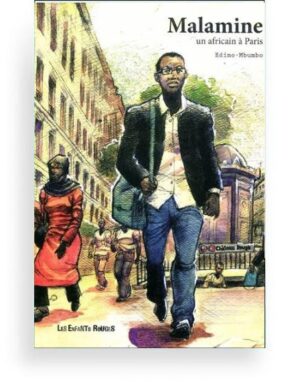
Malamine un african à Paris
€16,00di Simon-Pierre Mbumbo, Christophe Edimo
” Malamine, si tu retournes en Europe, tu ne reviendras jamais ! ” prédit la jeune femme. Mais Malamine, qui n’est pas “de la bonne tribu”, n’a pas la force de rester en Afrique. A Paris ce fier diplômé de la Sorbonne est brancardier, dans l’attente de se rendre utile pour l’Afrique. Il rencontre Germaine l’infirmière française, Diane l’africaine sans-papier, Maurice le confident, Ntounou l’éditeur afrocentriste et l’ultranationaliste Osagefyo. Mais tous ont des influences contradictoires. Alors, pour ne pas se perdre, Malamine devra, tel un alchimiste, transformer ses frustrations en espérances.
-

Krapp’s Last Tape and Embers
€16,30di Samuel Beckett
‘Krapp’s Last Tape’ was first performed by Patrick Magee at the Royal Court Theatre in October 1958, and has since been played by a host of distinguished actors including Albert Finney and Max Wall. ‘Embers’ was specially written for radio and first performed in 1959.
-
Black Skin, White Masks
€17,00di Frantz Fanon
First published in English in 1968, Frantz Fanon’s seminal text was immediately acclaimed as a classic of black liberationalist writing. Fanon’s descriptions of the feelings of inadequacy and dependence experienced by people of colour in a white world are as salient and as compelling as ever. Fanon identifies a devastating pathology at the heart of Western culture, a denial of difference, that persists to this day. His writings speak to all who continue the struggle for political and cultural liberation in our troubled times.
-
Frankenstein
€18,00di Mary Shelley
After bringing the creature to life, Victor feels guilty that he has brought a new life into the world with no provisions for taking care of the “monster.” He runs away in fear and disgust from his creation and his conscience.
-
Vedemmo i templi di Tebe al chiarore della luna
€18,00di Alberto Centenari
La fantastica avventura nella terra d’Egitto iniziata con Napoleone Bonaparte, raggiunge il suo punto più alto con la scoperta del tesoro reale di Tutankhamen e da questo momento in poi continuerà a sedurre con sempre nuove attrattive, scoperte, rivelazioni.
I faraoni sono davvero ritornati a vivere.
-
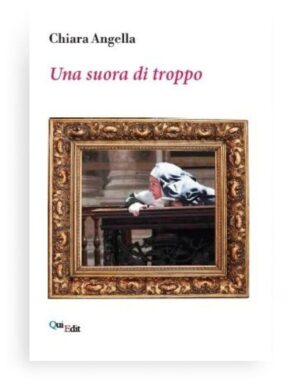
Una suora di troppo
€18,00Jessica Palm è una cantante lirica sempre impegnata in produzioni operistiche, in tanti e diversi luoghi del mondo.
Questa volta è a Toulouse per una produzione di Suor Angelica di Puccini che è arrivata inaspettatamente, a causa della rinuncia della prima scritturata.
La produzione è salva! Suor Angelica c’è!
Tutti sembrano felici o meglio… quasi tutti.
Qualcuno infatti, le fa presto capire che la sua presenza non è gradita e tenta in tutti i modi di allontanarla…
proprio come con quella giovane, morta suicida ormai da tanti anni.
Che sia il caso di vederci più chiaro? -

From Text to Translation and Back Again
€19,00di Sharon Hartle
This book is intended as a companion in the true sense of the work to those interested in an introduction to the broad fields of discourse analysis and translation. The book contains eight chapters that explore various aspects of language, how to analyse it and also how to approach its translation. Each chapter contains input on a specific topic such as Chapter One “Language Change” and links are provided to video material and further resources for independent study. The approach to the content is inductive, which means asking the reader to stop and think.
-
Jude the Obscure
€20,00di Thomas Hardy
It is an exploration of the chaos that follows from excessive individualism and rationality. It is indeed the story of a difficult and tragic journey beyond culture, but the narrative point of view still evokes a moral sensibility continuous with the past
-
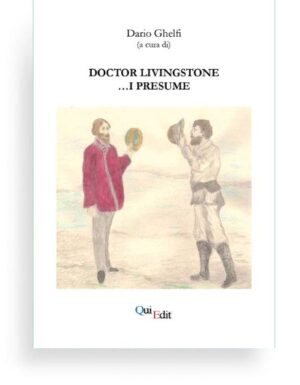
Doctor Livingstone… I presume
€20,00(a cura di) Dario Ghelfi
“Insegnare e soprattutto imparare una lingua straniera da adulti maturi o anziani é diventata una realtà e soprattutto una necessità ed un bisogno educativo / comunicativo e culturale di una sempre più ampia fascia di apprendenti che, con volontà, dinamismo, energia psicofisica intendono continuare e migliorare il loro ruolo di cittadini del mondo.
Partendo da questo scenario impensabile anni addietro, il nostro gruppo di autori da sempre impegnati nella educazione permanente e per la terza età, ha progettato e realizzato questo manuale di educazione linguistica (inglese) rivolto principalmente ai docenti che operano nelle Ute sul territorio nazionale e in istituzioni analoghe.
Si tratta di un testo altamente fruibile da parte degli apprendenti che ritroveranno o scopriranno una vera e propria guida allo studio di una lingua negli aspetti fondanti, alla sua cultura, alle sue tradizioni nonché ai microlinguaggi ad essa correlati. Il nostro volume si distingue e differenzia dalla letteratura presente sul mercato proprio perché accompagna un lettore il più delle volte già motivato e coinvolto in questo percorso di apprendimento, attraverso le sue fasi salienti, segnalando ostacoli, approfondimenti, curiosità che solitamente si incontrano e sono degni di nota, anche se spesso trascurati nei testi di didattica.”
– Dall’Introduzione di Carla Bertacchini