-

Cormac McCarthy: saggi a margine del canone
€16,00di Marco Petrelli e Giulio Segato
In questo libro, Giulio Segato e Marco Petrelli hanno scelto di dedicarsi a quelle che definiscono “province” dell’autore, ovvero tanto alle opere meno frequentate da critica e pubblico, quanto a prospettive critiche liminali o inedite sui romanzi più attestati. Opere e approcci trascurati, quindi, ma nient’affatto secondari. La volontà di Cormac McCarthy: saggi a margine del canone è infatti quella di dimostrare come la produzione periferica dell’autore, oltre a possedere un valore letterario certamente paragonabile a quello delle opere centrali, sia in grado di gettare su queste ultime una luce nuova e stimolante.
-

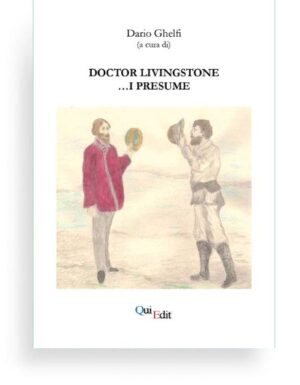
Doctor Livingstone… I presume
€20,00(a cura di) Dario Ghelfi
“Insegnare e soprattutto imparare una lingua straniera da adulti maturi o anziani é diventata una realtà e soprattutto una necessità ed un bisogno educativo / comunicativo e culturale di una sempre più ampia fascia di apprendenti che, con volontà, dinamismo, energia psicofisica intendono continuare e migliorare il loro ruolo di cittadini del mondo.
Partendo da questo scenario impensabile anni addietro, il nostro gruppo di autori da sempre impegnati nella educazione permanente e per la terza età, ha progettato e realizzato questo manuale di educazione linguistica (inglese) rivolto principalmente ai docenti che operano nelle Ute sul territorio nazionale e in istituzioni analoghe.
Si tratta di un testo altamente fruibile da parte degli apprendenti che ritroveranno o scopriranno una vera e propria guida allo studio di una lingua negli aspetti fondanti, alla sua cultura, alle sue tradizioni nonché ai microlinguaggi ad essa correlati. Il nostro volume si distingue e differenzia dalla letteratura presente sul mercato proprio perché accompagna un lettore il più delle volte già motivato e coinvolto in questo percorso di apprendimento, attraverso le sue fasi salienti, segnalando ostacoli, approfondimenti, curiosità che solitamente si incontrano e sono degni di nota, anche se spesso trascurati nei testi di didattica.”
– Dall’Introduzione di Carla Bertacchini
-
Frankenstein
€18,00di Mary Shelley
After bringing the creature to life, Victor feels guilty that he has brought a new life into the world with no provisions for taking care of the “monster.” He runs away in fear and disgust from his creation and his conscience.
-

From Text to Translation and Back Again
€19,00di Sharon Hartle
This book is intended as a companion in the true sense of the work to those interested in an introduction to the broad fields of discourse analysis and translation. The book contains eight chapters that explore various aspects of language, how to analyse it and also how to approach its translation. Each chapter contains input on a specific topic such as Chapter One “Language Change” and links are provided to video material and further resources for independent study. The approach to the content is inductive, which means asking the reader to stop and think.
-
Introduction to English Phonetics and Morphology
€11,00by Roberta Facchinetti
The book illustrates the key aspects of English phonetics and morphology, bearing in mind that competence in these two fields facilitates the mastering of languages at different levels: spelling, vocabulary, pronunciation, fluency, word recognition, origin and structure of words and, overall, text comprehension. Phonetics is the branch of linguistics that studies the sounds of human speech, how they are produced, transmitted and perceived. In turn, morphology analyses the structure of words and their parts, such as stems, prefixes, and suffixes, with special focus on the differences between derivational and inflectional affixes. Competence in these two branches of English linguistics is the first step in the full mastering of English.
-
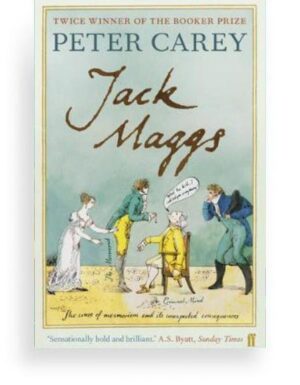
Jack Maggs
€11,00by Peter Carey
London,1837. Jack Maggs, raised and deported as a criminal, has returned from Australia, in secret and at great risk. What does he want after all these years, and why is he so interested in the comings and goings at a plush townhouse in Great Queen Street? And why is Jack himself an object of such interest to Tobias Oates, celebrated author, amateur hypnotist and fellow burglar – in this case of people’s minds, of their histories and inner phantoms? A thrilling story of mesmerism and possession, of dangerous bargains and illicit love against the backdrop of Victorian London.
-
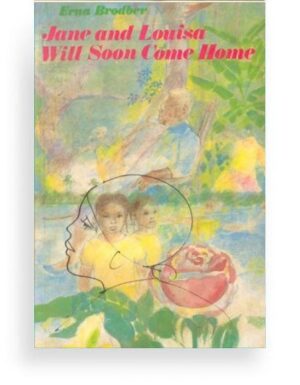
Jane and Louisa Will Soon come Home
€11,00di Erna Brodber
Enter the world of the protagonist, who explores the multiple dimensions of family and origin for a woman in a rapidly-changing Jamaica. A challenging but highly engaging read. .. not since George Lamming’s In The Castle Of My Skin have we had a first time novel with this kind of effortless , bottomless detail of life and leaf and sorrow
-
Jane Eyre
€22,00di Charlotte Brontë
Jane Eyre is an orphan, penniless and plain, but full of courage and spirit. She has endured incredible hardship to secure her humble status as a governess in the household of her brooding employer, Mr. Rochester. Jane’s sharp wit and defiant nature meet with Rochester’s sardonic temperament. The two become enmeshed in a deep, intense bond.
-
Joseph Andrews and Shamela
€10,80di Henry Fielding
Henry Fielding wrote both Joseph Andrews (1742) and Shamela (1741) in response to Samuel Richardson’s book Pamela (1740), of which Shamela is a splendidly bawdy travesty. Joseph Andrews begins as a parody, too, but soon outgrows its origins, and its deepest roots lie in Cervantes and Marivaux. In both stories, Fielding demonstrates his concern for the corruption of contemporary society, politics, religion, morality, and taste.
This revised and expanded edition follows the text of Joseph Andrews established by Martin C. Battestin for the definitive Wesleyan Edition of Fielding’s works. The text of Shamela is based on the first edition, and two substantial appendices reprint the preliminary matter from the second edition of Richardson’s Pamela and Conyers Middleton’s Life of Cicero, which is also closely parodied in Shamela. This Oxford World’s Classics edition also features a new introduction by Thomas Keymer which situates Fielding’s works in their critical and historical contexts.