-

-

-
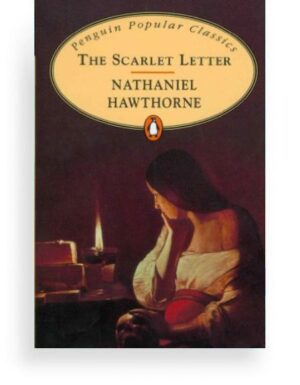
The Scarlet Letter
€4,50by Nathaniel Hawthorne
Set in 17th-century Puritan Boston, Massachusetts, during the years 1642 to 1649, it tells the story of Hester Prynne, who conceives a daughter through an affair and will not reveal her lover’s identity. The scarlet letter A (for adultery) she has to wear on her clothes, along with her public shaming, is her punishment for her sin and her secrecy. She struggles to create a new life of repentance and dignity. Throughout the book, Hawthorne explores themes of legalism, sin, and guilt.
-
-
Out Of Stock
Die Verwandlung
€5,00di Franz Kafka
Die berühmteste Erzählung Franz Kafkas berichtet von Gregor Samsa, der eines Morgens nicht mehr als Mensch, sondern als häßliches ‘Ungeziefer’ erwacht. Kafkas ‘Verwandlung’ ist die groteske Parabel einer stillen Revolte gegen die Unmenschlichkeit. In Tiergestalt hält Gregor Samsa der Welt den Spiegel vor. Ein schweigender Protestschrei, der am Ende ohnmächtig bleibt, aber bis heute eines der aufregendsten Werke der Weltliteratur.
Eines Morgens erwacht Gregor Samsa und ist in einen riesigen Käfer verwandelt. Das revoltierende Unbehagen in ihm – gegen seinen Beruf, seine Familie – hat sich eine äußere Gestalt geschaffen. Die Eltern und die Schwester ekeln sich nun vor Gregor. Dabei sind sie an seiner Metamorphose nicht unschuldig.
-
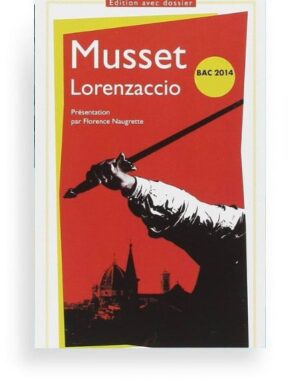
Lorenzaccio
€5,00di Alfred de Musset
Alfred de Musset (1810-1857) was a French dramatist and poet, regarded as one of the first Romantic writers. He was also a prolific novelist of the romantic period and wrote some of the most memorable literary masterpieces of all times. Much influenced by Shakespeare and Schiller, Alfred de Musset wrote the first modern dramas in the French language. His early poems and plays were much appreciated in the French society earning him the reputation of being a dandy. In 1845 he was named a Chevalier of the Legion of Honor. Musset was elected to the French Academy in 1852. Nowadays Musset’s popularity is second only to Racine and Moliere. “My glass is not big, but I drink out of my own glass,” he once stated self-consciously. Musset had a profound grasp of the psychology of love and his portraits of women were multidimensional.
-
-
-
Der aufhaltsame Aufstieg des Arturo Ui
€6,00di Bertold Brecht
“Der aufhaltsame Aufstieg des Arturo Ui,“ subtitled “A Parable Play,” is a 1941 play by German playwright Bertolt Brecht. It chronicles the rise of Arturo Ui, a fictional 1930s Chicago mobster, and his attempts to control the cauliflower racket by ruthlessly disposing of the opposition. The play is a satirical allegory of the rise of Adolf Hitler and the Nazi Party in Germany prior to World War II. Brecht’s decision to frame the rise of Hitler as the story of Al Capone in Prohibition-era Chicago was an attempt to provide a milieu familiar to American audiences. The work was meant for the American stage as a warning against the dangers of fascism.